
Viral “6-7” Chosen as Dictionary.com’s Word of the Year
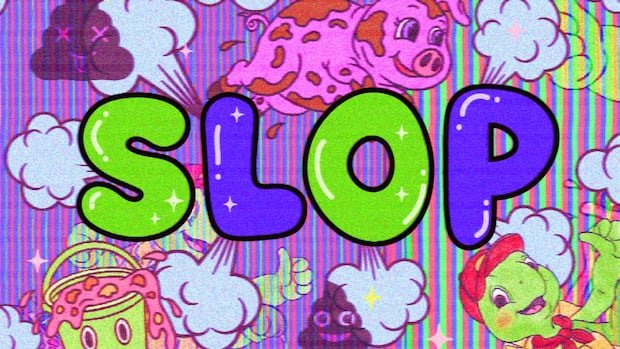
The selection of “vibe-coding parasocial rage-bait slop — 6-7!” as the word of the year has sparked discussions across various English dictionaries. While some may question the significance of these trendy and sometimes whimsical words, experts delve into the process behind these selections and the impact they have on language records.
The decision-making process varies among linguistic groups. For instance, Cambridge Dictionary’s approach involves compiling a list of frequently searched words throughout the year and choosing ones that encapsulate key themes or interests. The longevity of a word is a crucial factor in determining its inclusion, as words that quickly fade from use are less likely to be added to the dictionary.
Collins Dictionary relies on its analytical database to identify new words, such as “vibe-coding,” which emerged from discussions around artificial intelligence. Similarly, Dictionary.com considers website lookups to gauge public interest in specific words, aligning with a descriptivist view of language that focuses on how people use words in practice.
The American Dialect Society involves the public in its word of the year selection process, highlighting the evolving nature of language and the societal trends that shape linguistic expressions. Despite debates over the permanence of these chosen words, the annual selection serves as a reflection of the evolving language landscape and the cultural zeitgeist.
The diversity of word choices, ranging from tech-inspired terms to social commentary, underscores the dynamic nature of language and the ongoing dialogue surrounding linguistic evolution. While not all words may stand the test of time, their selection as words of the year sheds light on the societal conversations and trends that define each passing year.