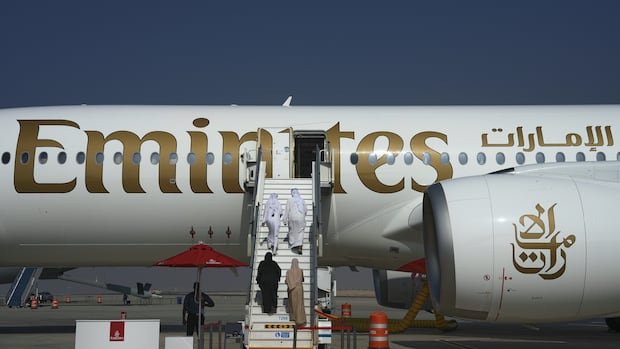

A shift in Canadian aviation dynamics is on the horizon as the federal government eases restrictions on flights from Saudi Arabia and the United Arab Emirates, potentially sparking increased competition in the airline industry. This move comes after previous diplomatic tensions had limited flight operations from these Middle Eastern countries.
Renowned aviation expert John Gradek highlighted the superior services offered by airlines from the Middle East, dubbing them the “envy of the world.” He emphasized that this competitive edge would compel Canadian carriers to enhance their services to effectively compete with these foreign airlines.
According to Gradek, this development will prompt Air Canada, WestJet, and Air Transat to reassess their in-flight services, amenities, and aircraft configurations to stay competitive in the evolving market landscape. Parliamentary committees in Canada have been examining various issues affecting the country’s aviation sector, including concerns about limited competition, high fares, accessibility challenges, and passenger rights.
The decision to expand air transport agreements with Saudi Arabia and the U.A.E. will significantly impact the Canadian airline industry, allowing for increased passenger and cargo flights between the countries. Transport Minister Steven MacKinnon announced that the new deal could see up to 14 passenger flights per week from Saudi Arabia and 35 from the U.A.E., alongside unlimited cargo flights, with reciprocal arrangements for Canadian carriers.
Prime Minister Mark Carney’s efforts to forge stronger ties with Middle Eastern nations align with his strategy to diversify trade beyond the U.S. amid ongoing trade tensions. Carney secured a substantial $70 billion commitment from the U.A.E. for investments in Canada during his recent visit, signaling a positive step towards expanding business relationships and export opportunities.
Gradek highlighted the aspiration of Middle Eastern countries to establish open skies agreements akin to Canada’s arrangement with the U.S., aiming for unrestricted market access. He predicted that foreign carriers would benefit from the enhanced connectivity, transporting more Canadian travelers to global destinations through their hubs.
Canadian airlines are expected to face challenges in matching the premium services offered by Middle Eastern carriers at competitive prices, particularly in the economy class segment. Despite this, Air Canada emphasized its competitive position globally and highlighted existing agreements with airlines like Emirates to extend travel options for passengers.
As the aviation landscape continues to evolve, industry players are likely to witness increased competition and collaboration to meet the changing demands of travelers and enhance global connectivity. The government’s initiatives to expand air transit agreements reflect a strategic effort to enhance Canada’s air links and foster greater engagement with international markets.