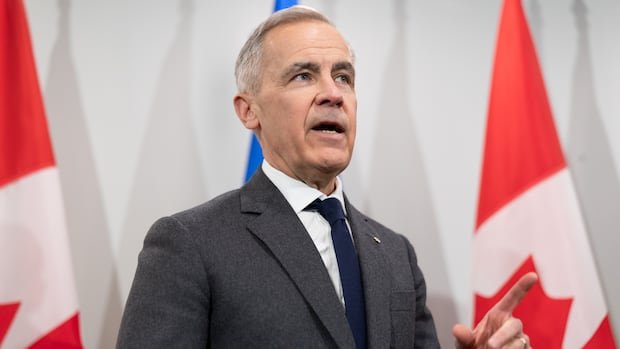

The coalition of nations backing Ukraine, such as Canada, are at a crucial juncture as they meet in Paris this week to chart a viable course towards a potential ceasefire and reconstruction plan. Prime Minister Mark Carney will be present at the gathering of over 30 leaders, with a primary focus on discussing postwar security guarantees to dissuade Russia from pausing momentarily and then resuming its expansion into Eastern European countries in the future.
The leaders will convene on Tuesday at the invitation of French President Emmanuel Macron, following a prior meeting of defense chiefs from coalition nations on Monday. Ukrainian President Volodymyr Zelenskyy recently engaged with 18 coalition national security and defense advisers in Kyiv, where the topic of collective security assurances and their role in the broader peace initiative, spearheaded by the U.S. and President Donald Trump, were key agenda items.
Zelenskyy expressed optimism that security guarantees would be solidified during the Paris meeting, which will also include discussions with President Trump’s team. Emphasizing the urgency of robust and credible security promises in light of Russia’s ongoing aggression, Zelenskyy highlighted the need to prevent the continuation of conflict under the guise of negotiations tactics employed by Russia.
Matthew Schmidt, a national security expert at the University of New Haven, noted the success of Ukraine in garnering military support from European allies, forming a “coalition of the willing” comprising 35 countries, including Canada. This alliance offers Zelenskyy the prospect of meaningful security assurances despite the absence of NATO membership.
Should Europe and Canada deliver concrete security guarantees, Ukraine could avoid pursuing its longstanding goal of joining NATO. President Trump has proposed a peace framework offering “strong security guarantees” to Ukraine, albeit with a 15-year timeline subject to congressional approval. Zelenskyy, however, advocates for a lengthier commitment.
Schmidt expressed reservations regarding the U.S. stance on Ukraine, citing inconsistencies in the Trump administration’s position on the conflict. As groundwork is laid for potential peace talks, the extent of Russia’s willingness to compromise remains uncertain. While the Kremlin has indicated a willingness to consider a U.S.-led peace framework as a basis for future discussions, its demands, including territorial concessions, reduction of the Ukrainian military, and rejection of foreign military presence on Ukrainian soil, present significant obstacles to negotiations.