
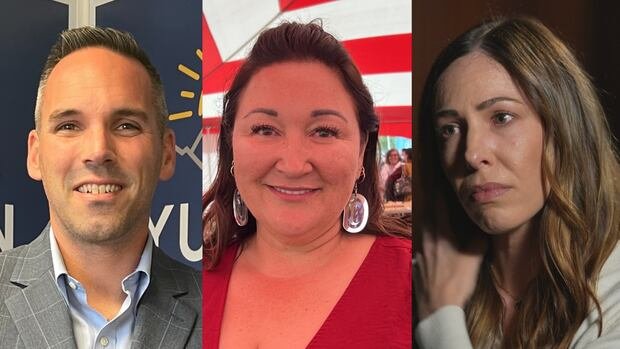

It has been a dynamic year in the Yukon, marked by the inauguration of a new territorial government and a fresh leader for the Council of Yukon First Nations, along with the resolution of a significant class action lawsuit involving a Whitehorse elementary school and the ordeal of a Yukon resident in a U.S. immigration detention center.
Throughout the year, CBC Yukon reported on key news stories, including the succession of premiers in the territory. Currie Dixon assumed office as Yukon’s 12th premier, making him the third premier in 2025. This succession followed the resignation of Ranj Pillai in May, which led to Mike Pemberton taking over as Liberal leader and premier before the party’s defeat in the November election. Dixon’s Yukon Party emerged victorious in the election, securing over half of the popular vote and 14 seats in the legislature.
In another notable development, Math’ieya Alatini, the former chief of the Kluane First Nation, was elected as the new grand chief of the Council of Yukon First Nations in June, succeeding Peter Johnston. Alatini’s election brought about a shift in leadership responsibilities, as she now serves as the main political representative for Yukon First Nations and has additional duties previously held by the Yukon regional chief.
Furthermore, both the territorial government and First Nations are focused on finalizing new mining legislation for the Yukon, a process that has faced challenges due to differing perspectives from stakeholders. Efforts to modernize the territory’s mining laws have been ongoing to replace outdated regulations dating back over a century.
Additionally, a resolution was reached this year in a class-action lawsuit involving families of students at Jack Hulland Elementary School in Whitehorse. The Yukon Supreme Court approved a settlement agreement between the families and the Yukon government, allowing affected families to seek compensation based on their experiences at the school.
Lastly, a former Yukon resident, Jasmine Mooney, gained international attention after her detention by United States authorities following a visa renewal attempt at the Mexico-San Diego border. Mooney’s ordeal shed light on evolving U.S. immigration policies and the treatment of Canadian travelers. She faced challenges during her 11-day detention, including transfers, medical tests, and what she described as degrading treatment before being released and returning to Canada.
These events have shaped the Yukon’s landscape in 2025, highlighting significant changes in leadership, legal matters, and immigration experiences impacting the community.