
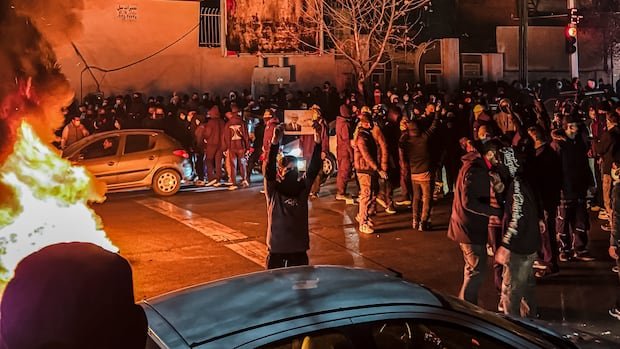

Iran is currently facing significant challenges to its clerical rule, marking a pivotal moment since the 1979 Islamic Revolution. Nationwide protests that began on December 28 due to rising prices have evolved into broader anti-government demonstrations against the clerical leadership that has controlled the country for almost five decades.
The unrest has resulted in over 2,000 fatalities, with the United States threatening military action and Iran retaliating against potential attacks. Internet and phone services have been disrupted, and global rallies in support of the protests are ongoing. In parallel, pro-government demonstrations involving tens of thousands of supporters have emerged to counter the nationwide dissent challenging the country’s theocratic governance.
The protests, fueled by economic hardships, have seen ordinary Iranians risking their lives for freedom despite severe crackdowns and communication blackouts. The demonstrations reflect a significant shift, driven primarily by economic grievances, as highlighted by experts analyzing the situation.
The initial catalyst for the protests was widespread inflation, leading to shop closures due to currency devaluation. Economic pressures intensified following the U.S.-Iran conflict in June and subsequent sanctions, causing the Iranian rial to plummet. The government’s economic policies, including fuel price hikes and reduced exchange rates, further exacerbated the crisis, triggering widespread discontent.
The protests, which have spread across Iran, represent a significant challenge to the existing theocratic regime. Economic disparities, corruption, and mismanagement have fueled public anger, with demands for political reforms and calls to end the current leadership. Reza Pahlavi, the exiled son of Iran’s last shah, has emerged as a prominent figure supporting the protesters.
The Iranian regime has responded with a severe crackdown, including internet blackouts and threats of decisive action against protesters. International observers, including the U.S., have expressed concerns over the escalating situation and offered support to the demonstrators. However, the regime remains resilient, with no visible fractures in its leadership or security apparatus.
While the protests signal a critical moment in Iran’s history, experts believe that the regime’s collapse is unlikely in the near term. Transition discussions regarding a new supreme leader are underway, hinting at potential future changes within the country’s leadership structure. Despite the regime’s attempts to suppress dissent, the resilience and determination of Iranian citizens continue to challenge the established order.