
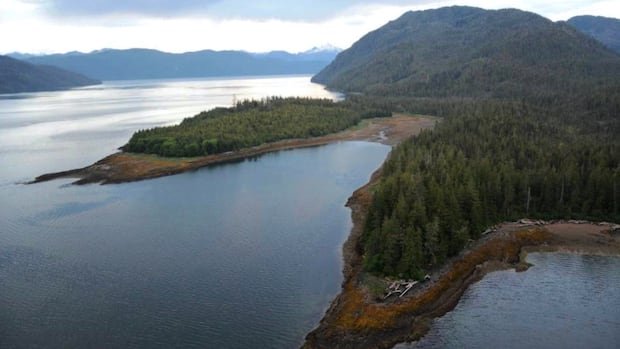

Prime Minister Mark Carney is currently in Prince Rupert for a meeting with Coastal First Nations to discuss significant projects in northern British Columbia. A government official, who chose to remain unnamed, shared with CBC News on Monday that the purpose of the meeting is to address ongoing projects and explore potential collaborations between the federal government and Indigenous communities in the area.
Last year, a memorandum of understanding was signed between Ottawa and Alberta, outlining a potential path for an oil pipeline and the removal of an oil tanker ban along the North Coast of British Columbia. Coastal First Nations have previously voiced strong opposition to the proposed oil pipeline in the region, with the coalition of nine First Nations adamantly stating their belief that the pipeline will never come to fruition.
Art Sterritt, a spokesperson for the Gitga’at First Nation, expressed his intention to enlighten the prime minister about the potential consequences of an oil spill and emphasized the importance of upholding the existing oil tanker ban. Sterritt criticized the projects, claiming they lack economic viability and perpetuate a colonial tradition of shifting industries once resources have been extensively exploited.
He emphasized the abundance of resources within their traditional territories, including food sources like fish and wildlife, asserting that the environment in the Great Bear Rainforest is thriving and should be preserved. Sterritt argued that the risks associated with the projects outweigh any potential job creation, pointing to past disasters caused by human error, such as the sinking of the Queen of the North and a decades-old sunken U.S. navy vessel that leaked fuel in 2012.
The Union of British Columbia Indian Chiefs publicly opposed liquefied natural gas (LNG) ventures, such as the Ksi Lisims project and the North Coast Transmission Line, in November. Grand Chief Stewart Phillip expressed skepticism about the value of the current meeting with the prime minister, lamenting that Indigenous rights are not being adequately acknowledged in the decision-making process.
As Prime Minister Carney arrived in Prince Rupert for his scheduled meeting with Indigenous leaders, he highlighted the importance of fostering dialogue and collaboration in building sustainable development. Coastal First Nations leaders are expected to provide insights on their discussions with Carney during a news conference later in the day, emphasizing their interest in advancing shared goals related to sustainable economic growth and marine conservation in the region.