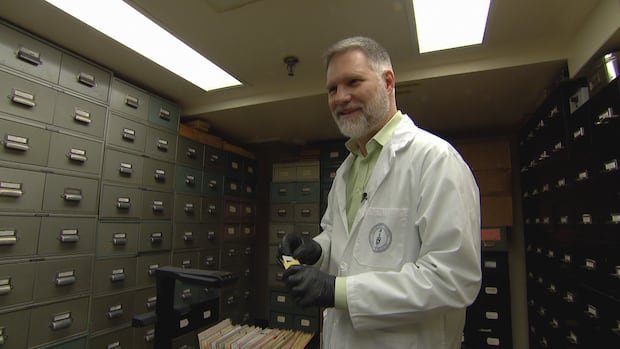

A distinctive assortment of tiny fungi crucial for Canadian medical and biodiversity studies has been safeguarded from being sent abroad. The UAMH Centre for Global Microfungal Biodiversity has been granted a $1 million donation from the Weston Family Foundation, ensuring its retention in Canada for national utilization. The foundation highlighted the biobank’s potential to drive medical breakthroughs, enhance public health readiness, and foster innovation for future generations.
Researcher Ayush Kumar, from the University of Manitoba, expressed his enthusiasm for preserving this invaluable resource in Canada, emphasizing its significance for scientific advancement. University of Toronto professor and fungal biodiversity center director, James Scott, was pleasantly surprised by the generous donation, estimating that it will sustain the center for approximately five years, enabling the development of a sustainable long-term strategy.
The biobank, touted as the largest collection of medically important fungi in the western hemisphere, comprises nearly 12,000 specimens from 3,200 species worldwide, accessible to Canadian researchers and businesses. Fungi within the collection play a vital role in studying diseases affecting humans and animals, seeking new medications, and addressing threats posed by climate change. Fungi are recognized as a promising source of novel antibiotics due to their exceptional chemical properties.
Professor Mary Berbee, a botany expert at the University of British Columbia, praised the preservation of the collection, underscoring the importance of sharing samples for reproducible research outcomes. She emphasized that the uniqueness of two-thirds of the collection’s strains worldwide underscores the critical role it plays in advancing scientific research.
Following financial challenges in 2024, the biobank faced potential closure, prompting a search for external support. The Weston Family Foundation stepped in after learning about the biobank’s plight, offering a grant to secure its future. Scott noted that promoting the biobank to a broader audience will enhance its accessibility and potentially generate additional revenue through user fees. The center aims to digitize its specimen catalog and establish an endowed fund to ensure its sustainability.