
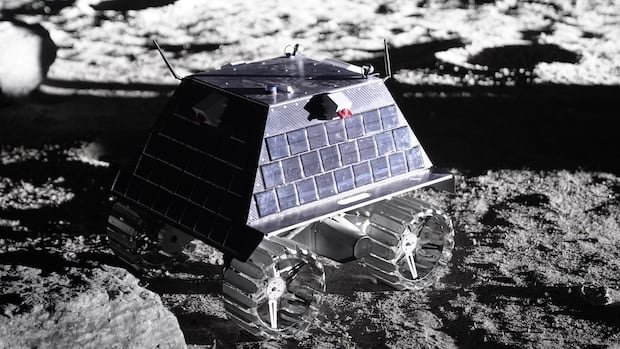

The Canadian Space Agency (CSA) has decided to cancel its lunar rover mission as outlined in its 2026-2027 departmental plan. Initially announced in 2022, the mission aimed to send Canada’s first rover, developed by Canadensys, to the moon via a commercial launch vehicle created by Firefly Aerospace, a private U.S. company. The termination of the project was disclosed by the space industry website SpaceQ.
Gordon Osinski, the principal investigator of the mission and a planetary geologist from Western University, expressed his disappointment upon learning of the cancellation about a month ago. He described the mission as a significant milestone in Canadian space exploration history, planning to deploy the rover to the moon’s south polar region known for its scientific importance due to water presence and its association with the upcoming Artemis IV mission for human lunar surface return.
Despite the setback, the CSA remains committed to lunar exploration and aims to leverage existing investments in the project. The lunar rover formed part of the Lunar Exploration Accelerator Program (LEAP), fostering collaborations between academia and industry partners. The CSA highlighted the benefits of the mission in enhancing robotics mobility capabilities for future endeavors, such as the lunar utility rover, and potential commercial applications.
While efforts to reach Canadensys for comments were unsuccessful, Osinski expressed hope that the team’s collective work and accomplishments would leave a lasting impact. The mission’s cancellation marks a temporary halt to a promising venture that could have propelled Canadian space exploration to new heights.