
CBC Saskatchewan’s Creator Network offers a platform for young digital storytellers from various backgrounds to create original video content showcased on CBC, sharing stories through their unique perspectives. To contribute or pitch a story, visit the link provided.
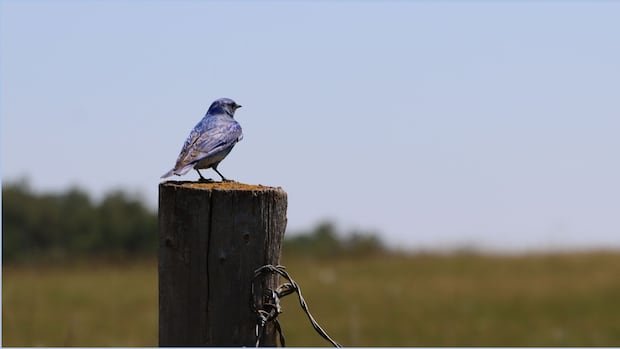
Each spring, individuals of all ages migrate from Saskatoon to take part in the Mary Houston Bluebird Trail as citizen scientists. Established in 1969, the trail spans approximately 80 kilometers from south of Langham, Sask. to north of Hanley, Sask. Nest boxes are placed every 400 meters along the trail, serving as essential habitats for migrating birds, monitored by volunteers.
Led by Greg Fenty, a biologist and retired environmental educator, the Bluebird Trail project is overseen by Saskatoon Young Naturalists, a part of the Saskatoon Nature Society. The project involves monitoring nest boxes for bluebirds and tree swallows to assess their productivity and survivorship, aiding in understanding population changes over time.
Bluebird populations faced a decline until the 1950s due to habitat loss and pesticide use. Conservation efforts have since led to increased monitoring. The average lifespan of bluebirds can reach up to eight years, with migration distances exceeding 3,000 kilometers. Through hands-on experience, volunteers learn to hold, band, and identify birds, aiding in their conservation efforts.
The Bluebird Trail project not only provides a valuable learning opportunity for adults and children alike but also fosters a deeper connection to nature. Participants, like Pi Srithammawut and his family, find inspiration and curiosity in the environment. The project instills a sense of wonder and respect for the natural world, fostering a desire to protect and learn from it.
Volunteers like Betty McBride enjoy the trail with their grandchildren, finding joy in observing and learning about birds. The project’s impact is evident in the enthusiasm and interest it sparks in younger generations, shaping their appreciation for wildlife and conservation efforts.
Former participant Maycie McWillie credits her experience on the Bluebird Trail as a child for igniting her passion for biology. The hands-on approach of the project not only educates but also inspires individuals to pursue careers in environmental science, emphasizing the importance of active participation in conservation initiatives.
The return of banded birds to the trail each year highlights the project’s success in aiding bird populations. With early spring workshops on building nest boxes and subsequent monitoring activities, volunteers play a crucial role in safeguarding these avian species. The project, as mentioned by Fenty, not only promotes outdoor activities but also enhances scientific knowledge, emphasizing the importance of biodiversity conservation.