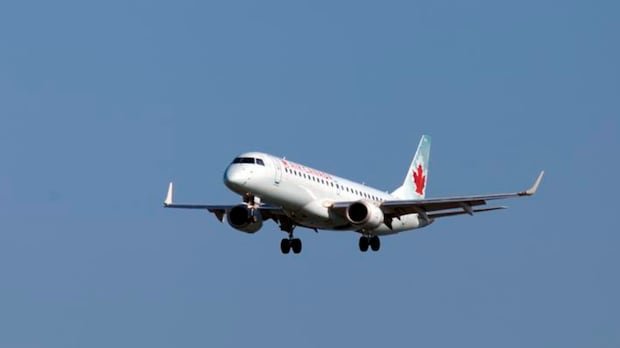

A recent incident involving severe clear-air turbulence on Air Canada Flight AC33 shed light on the increasing risk posed by climate change-induced turbulence during flights. The flight, carrying passengers like Luke Wheeldon and Linda Woodhouse, encountered unexpected turbulence, leading to injuries and a terrifying ordeal.
The phenomenon of severe clear-air turbulence, which can occur even in clear skies, is becoming more frequent as climate change alters temperature patterns in the atmosphere. Research by Paul Williams from the University of Reading shows a direct link between climate change and the rise of clear-air turbulence, particularly due to warming jet streams at high altitudes.
Forecasting and predicting clear-air turbulence have posed challenges for scientists and pilots due to its invisible nature. However, advancements in technology and research have improved forecasting accuracy over the years. Nevertheless, without significant emission reduction measures, severe clear-air turbulence incidents are projected to double in regions like North America, the North Pacific, and Europe.
In response to the escalating turbulence risks, researchers like Aimy Wissa from Princeton University are exploring nature-inspired solutions to enhance aircraft stability during adverse flying conditions. By studying bird flight patterns and feathers, Wissa’s team has made promising strides in developing mechanisms that could potentially improve aircraft navigation and stability in turbulent situations.
As air travelers like Linda Woodhouse and Luke Wheeldon reflect on their harrowing experience, the importance of wearing seat belts during flights is emphasized for passenger safety. Statistics show that passengers who remained seatbelted during turbulence incidents had significantly fewer injuries, highlighting the critical role of seat belt usage in mitigating risks during air travel.