

A small gathering of Haitian Canadians in British Columbia commemorated Haiti’s Independence Day at a local church by serving soup representing freedom. Haiti’s victory over French colonizers, marking its independence day on Jan. 1, has been celebrated for 222 years by Haitians and their diaspora globally. The day traditionally includes serving soup joumou, a dish made from kabocha squash, once forbidden to Haitian slaves but now embraced as a symbol of unity.
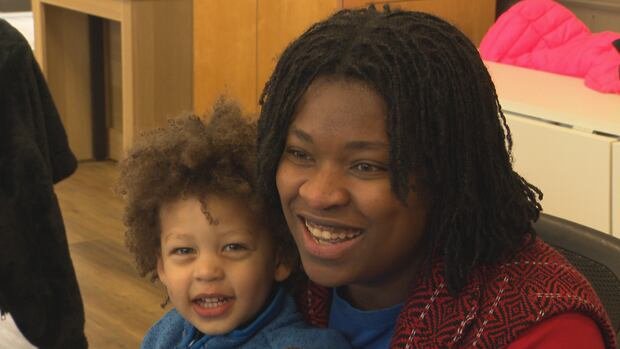
Approximately 50 Haitian Canadians congregated at the New Westminster Christian Reformed Church to honor an event significant to Black communities worldwide. Attendee Debbie MacNab from Abbotsford expressed delight in attending a large Haitian Independence Day celebration after 15 years, highlighting the sense of community and familiarity reminiscent of home.
According to the 2021 census, around 1,200 individuals in B.C. identified with Haitian ethnic or cultural heritage. Chef Elie Chery, proud to prepare the symbolic soup, emphasized its role in uniting and reconnecting the community. The soup, featuring kabocha squash, carrots, cabbage, beef, goat meat, and spices, holds no fixed recipe but remains a cherished tradition.
Independence day carried added significance this year for the global Haitian community as Haiti qualified for the FIFA World Cup after over 50 years. Saul Ferolus, president of the Canadian Haitian Cultural Association of B.C., underscored the day’s representation of freedom for Black people worldwide. Haiti’s recognition as the world’s first Black republic, achieved through decades of enslaved people’s rebellion, remains a powerful symbol of liberation and unity across cultures and backgrounds.