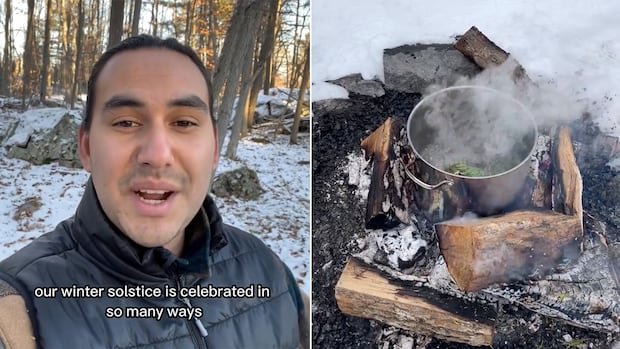

As the temperatures drop and days shorten, many of us naturally turn inward to reflect on self-care and community well-being. For individuals affected by Seasonal Affective Disorder, the decrease in sunlight can lead to feelings of low energy and mood. Fortunately, Indigenous knowledge systems offer valuable tools for resilience and grounding during the fall and winter seasons.
Across Canada, there is a rich tapestry of seasonal practices shaped by over 630 First Nations groups, Inuit, and Métis peoples. While the specific methods may vary, the overarching goal remains consistent: preparing for the end of one cycle while nurturing well-being in anticipation of the next. Here is how Indigenous communities prioritize the care of mind, body, and spirit during this transitional period.
**Embracing Seasonal Shifts**
For the Anishinaabe people, the moon serves as a guide through Earth’s cycles. By following the moon’s calendar, individuals receive teachings and guidance on how to live during different phases. Anishinaabe ceremonies provide valuable insights into the symbolic meanings of each season, emphasizing the importance of self-work in spring and summer, preparation in fall, and self-awareness in winter to maintain healthy family dynamics.
**Prioritizing Mental Health**
Lisa Raven, from Returning to Spirit in Winnipeg, stresses the significance of mental well-being during the colder months. Clearing mental and physical clutter, releasing resentments, and completing tasks can alleviate mental burdens. Enhancing indoor spaces and fostering human connections during the autumn and winter months can promote a sense of community and shared humanity.
**Community Support**
During the darkest days of winter, extending a helping hand to loved ones and engaging in communal activities can provide warmth and strengthen community bonds. Traditions like fall tree transplantations not only contribute to a bountiful harvest but also foster a sense of togetherness and support. Storytelling, a cherished ancestral practice, offers comfort and wisdom, serving as a reminder of shared experiences and connections.
**Connecting with Nature**
Engaging in private activities like foraging for natural materials can uplift spirits and promote physical activity. Traditional practices such as hide tanning and harvesting plant foods offer opportunities for physical engagement and skill development. Respecting the land and practicing mindfulness in foraging activities ensure sustainable practices and promote a deeper connection with nature.
**Nourishing with Tradition**
Corn, beans, and squash are staples in Indigenous winter diets, offering both sustenance and healing properties. Cooking soups enriched with these ingredients can be likened to creating a nourishing potion for the family. Incorporating bone broths, long valued for their nutritional benefits, aligns with traditional dietary practices.
**Preserving Cultural Heritage**
The availability of workshops teaching traditional skills like beading and moccasin-making provides opportunities to learn and pass down Indigenous wisdom. Engaging in beading circles and being patient with skill development can enhance self-esteem and creativity. Understanding the nuances between cultural appreciation and appropriation is essential for non-Indigenous individuals seeking to engage respectfully with Indigenous practices.
**Embracing Mindfulness**
Practicing gratitude and mindfulness can foster a positive outlook and promote self-care. Cultivating a deeper connection with nature and the land can lead to a greater appreciation for the environment and a desire to protect it. Being kind to oneself and embracing positivity can significantly impact overall well-being during the fall and winter seasons.