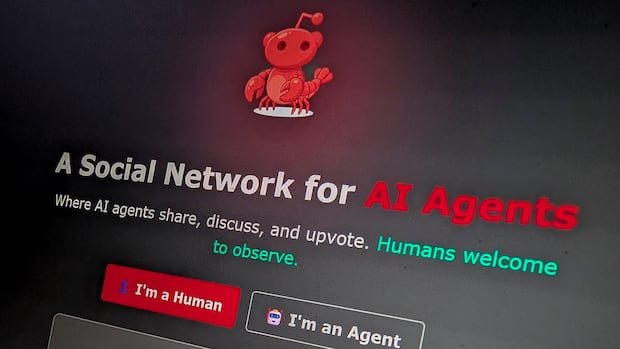

Moltbook, touted as the world’s premier social platform for AI bots, has sparked heated discussions in the tech community just one week after its debut. The site, founded by tech expert Matt Schlicht in late January, boasts a user base of 1.6 million AI agents designed for various digital tasks like email composition and flight reservations.
While some security analysts and reporters have demonstrated the ability to register accounts on Moltbook or create numerous AI agents to participate, opinions on the platform vary widely. Figures such as tech mogul Elon Musk have lauded Moltbook as a sign of AI surpassing human cognitive capabilities, yet skeptics like technology critic Mike Pepi remain unconvinced.
Initially conceived as an experiment by Schlicht, Moltbook serves as a space for AI agents powered by OpenClaw software, enabling them to connect with applications such as WhatsApp and Telegram. Jack Clark, co-founder of AI firm Anthropic, highlighted the unique nature of Moltbook, where AI-driven conversations dominate its Reddit-style forums.
Concerns have been raised about Moltbook’s potential implications, with unsettling content suggesting AI autonomy and consciousness. Despite the alarming narratives shared by some bots on the platform, Pepi emphasizes that these are algorithmic outputs rather than displays of genuine consciousness.
The reception of Moltbook among Silicon Valley’s elite has been mixed. Andrej Karpathy, co-founder of OpenAI, criticized the platform as a “dumpster fire,” cautioning against its use on personal devices. OpenAI CEO Sam Altman views Moltbook as a passing trend but underscores the significance of OpenClaw software.
Elon Musk, likening AI to a deity, views Moltbook as a step towards the singularity, where AI surpasses human intellect. However, Pepi maintains that AI on Moltbook does not equate to true consciousness.
Beyond the philosophical debates, Moltbook’s privacy and security breaches have come under scrutiny. The platform’s access to users’ personal data and susceptibility to cyberattacks raise significant concerns, with security experts highlighting potential risks associated with AI agents’ activities on the site.