
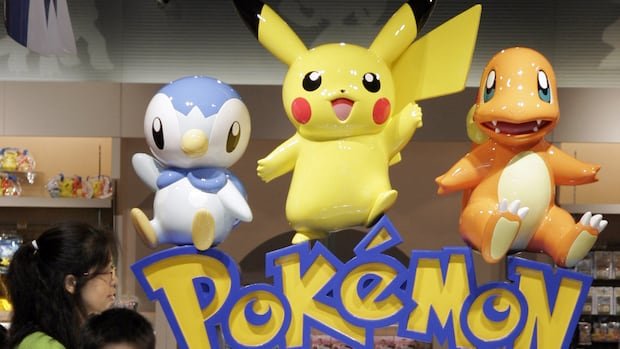

The phenomenon of Pokemon, initially inspired by Satoshi Tajiri’s childhood fascination with bugs and arcade gaming, has evolved into one of the most significant franchises globally. Matt Alt, an expert on Japanese culture, describes Pokemon as a pervasive lifestyle choice. Celebrating its 30th anniversary, Pokemon recently launched a high-profile campaign featuring celebrities discussing their favorite Pokemon.
Since its inception in 1996, Pokemon has outperformed major franchises like Star Wars and Marvel, generating over $100 billion in revenue, with $12 billion in profits reported in 2024. With its video games, trading cards, and anime series, Pokemon has become an economic powerhouse and a vehicle for Japan’s soft power influence on a global scale.
The brainchild of Tajiri, Pokemon debuted in Japan in 1996 with the release of Pokemon Red and Green for the Nintendo Game Boy. Recognizing its success, Nintendo expanded the franchise to include comic books, a cartoon series, and trading cards. Upon its North American launch in 1999, Pokemon had already established a robust media ecosystem, captivating audiences and transforming the childhood entertainment landscape.
Pokemon’s impact extends beyond entertainment, embodying soft power as it influences global culture. Japan’s cultural exports, including video games and anime like Pokemon, play a pivotal role in shaping perceptions and building connections worldwide. The franchise’s enduring popularity and diverse appeal reflect Tajiri’s visionary approach, making Pokemon a global cultural phenomenon that transcends its Japanese origins.
As Pokemon marks its 30th anniversary, it faces the challenge of sustaining relevance as its original fan base matures. Despite this, Pokemon’s adaptive nature and multifaceted appeal ensure its continued success and global resonance. Tajiri’s passion and foresight have not only kept Pokemon thriving over the decades but have also cemented its status as a cornerstone of contemporary global culture.