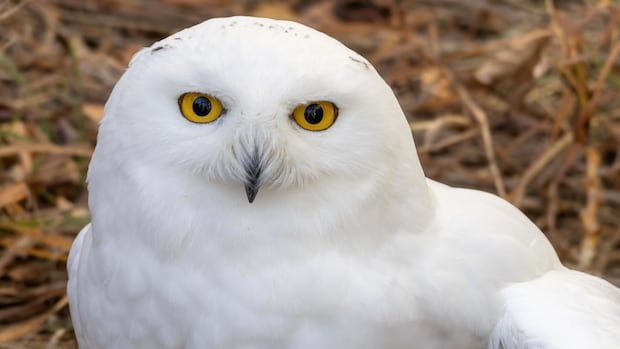

Every year, snowy owls migrate to the Prairies in search of rodent prey in vast open spaces. However, this year’s migration holds special significance due to the recent classification of snowy owls as a threatened species. The Committee on the Status of Endangered Wildlife in Canada (COSEWIC) declared this designation in May, revealing a 40% decline in snowy owl population over the past 24 years, as noted by Louise Blight, co-chair of the COSEWIC birds specialist sub-committee.
The decreasing snowy owl population faces various challenges, including habitat loss in their Arctic nesting grounds due to climate change. Rising temperatures are causing the melting of sea ice, reducing hunting platforms for the owls. Additionally, snowy owls are susceptible to avian influenza, with 15 cases reported since 2021 in Canada according to the Canadian Food Inspection Agency.
During their southward migrations, snowy owls encounter numerous hazards such as vehicle collisions, electrocution from power lines, entanglement in human structures, and poisoning from consuming prey exposed to rodenticides. Colin Weir, managing director of the Alberta Birds of Prey Foundation, highlighted these risks faced by snowy owls, emphasizing the need for caution on roadways to protect both wildlife and human safety.
Snowy owls, found in every Canadian province post-migration, are estimated at 15,000 individuals in Canada, comprising over half of the global population of 29,000. The International Union for the Conservation of Nature classifies snowy owls worldwide as vulnerable due to their declining numbers.
Tracking snowy owl populations is challenging due to their nomadic nature, making traditional survey methods like trapping and banding difficult. While attaching transmitters provides insights into their movements, confirming population changes remains a challenge. Data on snowy owl numbers primarily comes from Christmas Bird Counts, an annual citizen science initiative, but the unpredictable movement patterns of snowy owls make tracking population trends challenging.
Given their recent threatened status, researchers are expected to intensify efforts to better understand snowy owl populations and address conservation concerns.