
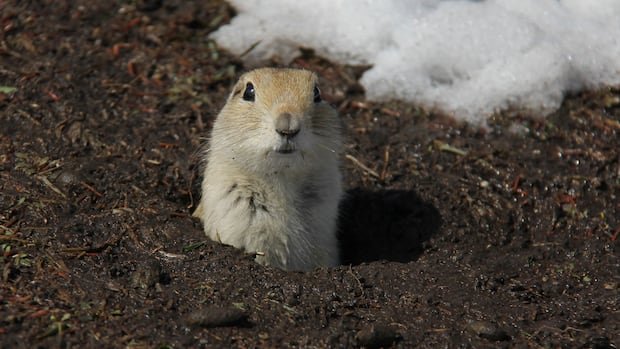

Ottawa has approved the temporary and controlled emergency usage of strychnine in Alberta and Saskatchewan to combat the significant damage caused by an infestation of Richardson’s ground squirrels, commonly known as gophers.
Last week, Alberta and Saskatchewan jointly submitted an updated emergency-use request to Health Canada after an earlier proposal was turned down by the Pest Management Regulatory Agency in February. The agency prohibited the use of strychnine two years ago due to its potential risks to other wildlife species, including endangered species like the swift fox and burrowing owl, which could ingest poisoned carcasses.
Health Canada stated in a press release on Monday that the approved request from the provinces included additional restrictions and mitigation measures to reduce the environmental impact of the rodent poison to an acceptable level.
“This is fantastic news for farmers across the Prairies,” expressed Alberta’s Minister of Agriculture and Irrigation, RJ Sigurdson, in a post on social media. “It’s a major victory for our agriculture sector, ensuring that our farmers have the necessary tools to effectively manage their operations and continue delivering high-quality products.”
Under the Pest Control Products Act, Ottawa has granted authorization to the two provinces to register strychnine under an emergency registration until November 2027.
Farmers in Alberta and Saskatchewan have been advocating for the reintroduction of strychnine to control the increasing populations of Richardson’s ground squirrels, which pose a threat to various crops. Strychnine, in a two percent liquid form, was previously the primary method of gopher control on farms in these provinces until the federal government phased out its use in 2020 and ultimately banned it in 2024 due to environmental concerns associated with the poison.
“Saskatchewan producers have been vocal about the difficulties they encounter in managing gophers with the limited tools currently available,” mentioned David Marit, Saskatchewan’s Minister of Agriculture, in a statement. “We are pleased to see the emergency use request approved as a practical opportunity for producers to demonstrate how strychnine can safeguard their crops and pastures from ongoing damage.”
Wade Nelson, a farmer near High River, Alberta, shared his experience of losing 170 acres of canola crops to a gopher infestation. He welcomed the government’s decision to reauthorize strychnine for emergency use, emphasizing the lack of a viable alternative for effectively managing the issue.
Nelson expressed his desire for the authorization to be extended beyond 2027 and hopes that through collaboration with municipalities, producers can demonstrate the safe and efficient use of the product to ensure continued access in the future.