
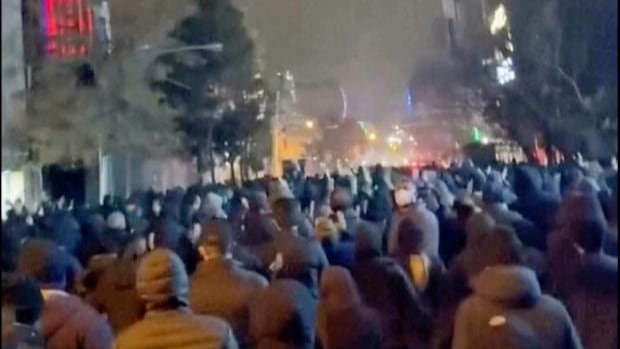

U.S. President Donald Trump has stated that the United States is considering various strong responses, including military options, in reaction to the violent suppression of protests in Iran, which present a significant challenge to the clerical rule established since the 1979 Islamic Revolution. Trump mentioned that the U.S. is prepared for both conflict and discussions with Iranian officials.
Iranian Foreign Minister Abbas Araqchi, speaking through an English translation during a briefing with foreign ambassadors in Tehran, emphasized that Iran is open to dialogue alongside its readiness for potential conflict. Araqchi asserted that the situation in Iran is currently “under control” following a surge of violence associated with the recent protests.
Efforts to maintain communication channels between Araqchi and U.S. special envoy Steve Witkoff are ongoing, with traditional intermediary Switzerland also facilitating contacts. Trump has cautioned Iran’s leadership against using force on protesters, while a U.S.-based rights organization confirmed numerous casualties and arrests amid the unrest.
Despite the lack of official figures from Iran and challenges in verifying information due to an internet blackout, reports indicate a large number of casualties and detentions. The protests initially sparked by economic grievances have evolved into broader anti-government demonstrations, with no visible fractures within the ruling Shia clerical entities.
Regime officials have called for counter-protests amid escalating tensions. Trump disclosed that Iran has expressed interest in negotiating its nuclear program, although the situation remains volatile. The potential options for the U.S. response to Iran include military actions, cyber strategies, expanded sanctions, and support for anti-government factions.
Statements from key U.S. senators suggest caution regarding the prospect of military action against Iran, highlighting the potential unintended consequences of such measures. Iranian parliamentary speaker Mohammad Baqer Qalibaf warned against provocation, asserting that any attack would prompt retaliation targeting U.S. bases and allies.
While Iran’s regional influence has waned due to previous conflicts and international pressures, the country remains vigilant against external threats. The ongoing unrest in Iran underscores the growing discontent among the populace towards the ruling elite, particularly concerning economic disparities and the role of the Revolutionary Guards.
Efforts to restore internet access in Iran and diplomatic engagements with European countries are underway amidst the escalating tensions and calls for international intervention in the crisis. The situation in Iran remains fluid, with both sides weighing their options carefully in the face of mounting challenges and uncertainties.