
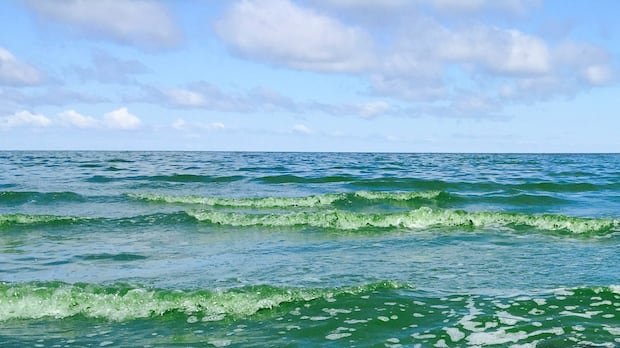

Lake Winnipeg faces ongoing challenges with zebra mussels, microplastics, E. coli, and toxic algal blooms visible from space. However, a crucial but often overlooked aspect of the lake’s health is the interaction between viruses and microalgae, according to Prof. Emily Chase of the University of Winnipeg.
Chase, a microbiologist and virologist, is studying how viruses infect Lake Winnipeg microalgae, which are essential in the lake’s food web. Microalgae harvest energy from the sun, forming the basis of the food chain that culminates in fish like walleye. Climate change poses a threat to this delicate balance, with warmer waters potentially leading to more toxic algal blooms.
Phosphorus and nitrogen from agricultural runoff and wastewater are major contributors to algal blooms on Lake Winnipeg. Chase believes that understanding the role of viruses in the lake’s dynamics is crucial for predicting and managing future changes, especially in the context of climate change.
Drawing on her previous work in the Mediterranean Sea, Chase emphasizes the importance of studying viruses in Lake Winnipeg to prevent potential ecological imbalances similar to those observed in Lake Erie. The disappearance of ice cover in Lake Erie has had significant impacts on its ecosystem, serving as a warning for the potential future of Lake Winnipeg.
Chase’s research aims to uncover how viruses influence algal bloom collapses and the overall health of Lake Winnipeg. By studying these interactions, researchers hope to better prepare for the impacts of climate change on the lake and its ecosystem.