
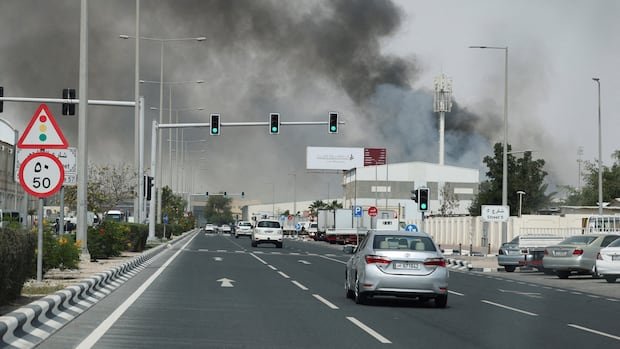

The evacuation of numerous foreigners stranded in the Persian Gulf conflict zone is facing challenges due to unclear guidance and sporadic airport closures. The airspace across a significant portion of the Middle East has become unsafe for flights, leading to diversions and increased fuel consumption for aircraft heading towards Asia. Notably, a vast area centered around Iran is experiencing minimal civil aviation activity as the region deals with ongoing military actions.
While the threat of retaliatory missiles and drones from Iran is a concern, the primary risk for civil aviation in the Gulf lies in the sophisticated air defense systems deployed by participating countries. Recent incidents, such as the accidental downing of U.S. fighter jets in Kuwait, highlight the dangers posed by the swift reactions of air defense crews during conflicts.
Foreigners, including a notable concentration of Canadians in the United Arab Emirates and Lebanon, are being evacuated through various means, including chartered flights and commercial bookings. However, the evacuation process is complicated by conflicting instructions and the volatile situation in the region.
European and North American carriers have mostly refrained from operating in the conflict-affected airspace following warnings from aviation safety agencies. The use of GPS jamming technology in the region has further complicated air navigation, impacting various sectors beyond aviation, including delivery services and location-based applications.
As the aviation industry grapples with critical decisions amidst the ongoing conflict, safety experts emphasize the need for caution and thorough risk assessment before embarking on flights in the region. Lessons from past incidents, such as the downing of Malaysia Airlines Flight MH17, underscore the importance of heightened vigilance and information sharing among airlines operating in conflict zones.