

In the midst of the conflict in Iran disrupting oil and gas exports from the Gulf region, Canada’s energy sector is poised to experience a surge in demand. Federal officials are highlighting Canada as a stable and reliable source of energy during this turbulent period.
Following a joint U.S. and Israel attack on Iran, energy prices have risen sharply. Iran has issued warnings affecting the passage of tankers through The Strait of Hormuz, a vital route for global oil transportation. With several energy companies suspending operations in the Gulf due to the conflict, the duration of the turmoil remains uncertain.
Canada’s oil and gas industry, which avoids Middle Eastern routes, boasts stronger environmental regulations compared to non-democratic producers like Qatar and Russia. Additionally, Canada’s proximity to Europe positions it favorably for supplying energy compared to major players like the U.S. and Venezuela.
Minister Tim Hodgson emphasized the global demand for Canadian energy at a mining conference in Toronto. Despite potential demand, experts caution that Canada’s current capacity may not be sufficient to meet the increased need resulting from the conflict in Iran.
Renaud Brossard, from the Montreal Economic Institute, highlighted the interest of countries like Poland, Germany, Japan, South Korea, and India in Canadian energy products. Recent data indicates a shift in Canadian oil exports, with a record share going to non-U.S. markets last November.
As crude oil prices hover around $80 US per barrel, European and Asian buyers may seek to diversify their energy sources. However, challenges lie in Canada’s lack of infrastructure to reach these markets efficiently.
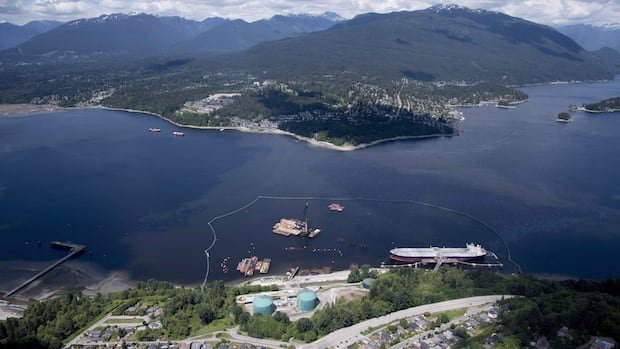
Efforts to expand pipeline capacities, such as the Trans Mountain Expansion and the operational LNG plant in Kitimat, B.C., aim to meet global demand. Nevertheless, these projects may take years to complete and are unlikely to fully offset the significant supply gap caused by the conflict in Iran.
There are concerns that Russia could emerge as a significant energy supplier to Europe, following a decline in Norway’s LNG production. Heather Exner-Pirot noted the potential for Russia to exploit the situation and become a primary energy provider, despite past hesitations from European countries.
In conclusion, while Canada’s energy sector shows promise in meeting international demand, challenges in infrastructure and competition from other suppliers like Russia present obstacles in filling the void left by disrupted Gulf region supplies. Efforts to ensure stable energy flow amid geopolitical tensions are crucial to prevent major disruptions in global energy markets.