


A legal battle looms over proposed changes to animal testing regulations, with concerns that the new rules could hamper vital research on heart disease without thorough discussion.
On the flip side, animal rights advocates applaud the legislative changes following the controversial dog testing at Lawson Research Institute in London that gained attention last summer through the Investigative Journalism Bureau (IJB) and Postmedia.
The proposed amendments to Ontario’s Animals Research Act are part of Bill 75, an omnibus bill primarily focused on law enforcement under the title “Keeping Criminals Behind Bars Act.”
The bill is currently in its second reading phase, set to resume after the Legislature reconvenes from its winter break on March 23.
If approved, the bill would establish a framework for altering animal research practices in Ontario, with specific regulations to be developed subsequent to the legislation.
The pivotal change proposed is the prohibition of “invasive medical research” on cats and dogs, except under specific conditions outlined in the regulations for veterinary purposes or with prior approval from the organization’s animal care committee.
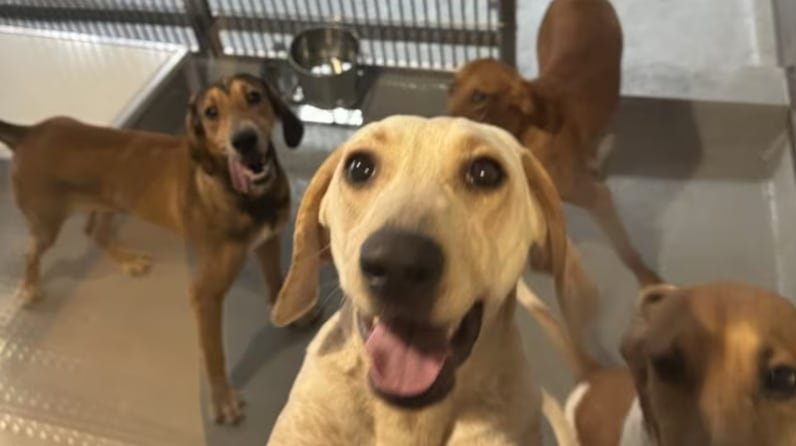
The legislation also seeks to enhance the operation of animal care committees, including mandating the presence of a veterinarian on each committee. Following a third-party review and approval by the animal care committee, the work at Lawson was cleared post the exposé.
These legal developments ensued after Premier Doug Ford strongly criticized the research activities at Lawson, pledging to halt any dog-related medical testing and subsequently shutting down the program.
Call for Stringent Review by Lawyer
Brian Gover, a seasoned lawyer with extensive experience in public inquiries, advocates for a more thorough review of Bill 75, expressing concerns that it was hastily drafted in response to public outrage over the Lawson study.
Gover suggests deferring legislative actions until comprehensive public debates are held, citing the need for expert panels to evaluate the contentious issue further. He acknowledges the benefits of Lawson’s dog research in advancing human health but emphasizes the importance of a careful and inclusive legislative process.
He also questions the inclusion of the proposed legislation within an omnibus bill, which could potentially limit detailed discussions on individual legislative measures.
Animal Justice, in collaboration with IJB, commends the proposed legislation, stating it establishes a strong foundation to end the suffering of laboratory dogs and cats in the province. They urge the province to go a step further by ensuring that animals used in tests are eventually rehomed into caring environments.
The legislation also prohibits practices like cosmetic surgery on pets, such as declawing in cats and ear-cropping in dogs, a move supported by Charu Chandrasekera from the Canadian Institute for Animal-Free Science. Chandrasekera lauds the legislation for promoting innovative testing methods over traditional animal experiments.
According to Chandrasekera, this shift represents a significant positive step for the province and the country as a whole in the long run.
Tag: rewrite-pending