
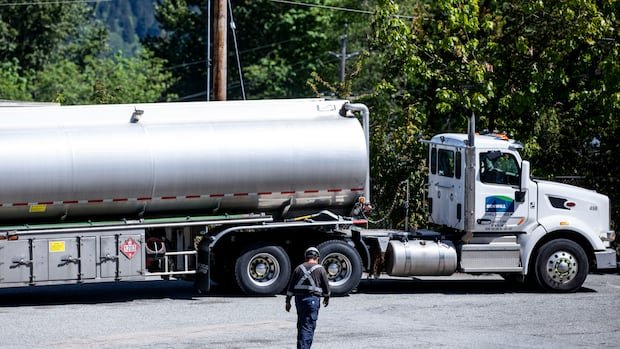

As conflict persists in the Middle East, crude oil prices remain significantly above $100 per barrel, impacting consumer-centric industries such as airlines, shipping companies, and rideshare services. To mitigate the rising gas prices, many of these businesses are implementing temporary fuel surcharges to adjust for the fluctuating fuel costs.
In response to the escalating jet fuel prices, airlines, both Canadian and international, have started adding fuel surcharges to ticket prices. For instance, Air Canada Vacations has introduced a $50 per passenger fuel surcharge for bookings to warm-weather destinations. Similarly, WestJet mentioned adjusting fares in line with fuel price changes.
Meanwhile, Porter Airlines and Air Transat have also imposed temporary fuel surcharges on specific flight segments departing from Canada and Europe. These companies are closely monitoring fuel price fluctuations to make necessary adjustments.
In the rideshare and food delivery sector, companies like DoorDash, Lyft, Hopp, and Uber are implementing various relief programs to support their drivers amidst rising gas costs. DoorDash is providing additional compensation to drivers based on mileage, while Lyft is offering similar programs in the U.S., with plans for potential expansion to Canada.
Regarding bus and rail services, Via Rail has stated no intention to introduce fuel surcharges, while Amtrak’s response is pending. FlixBus confirmed no fuel surcharges, while Megabus did not respond to inquiries.
Shipping companies like Canada Post, Amazon, FedEx, UPS, and Purolator have adjusted their fuel surcharge rates to reflect the current fuel price scenarios. These surcharges are regularly updated and applied to shipping services based on specific percentages, as listed on the respective companies’ websites.
Businesses across various sectors are closely monitoring fuel price developments and adjusting their pricing strategies to navigate the economic challenges posed by the ongoing geopolitical situation in the Middle East.