

A new approach is being implemented in several mountain national parks in Alberta due to the threat of aquatic invasive species (AIS), leading to the closure of many lakes and rivers to watercraft. Paddlers are advocating for a collaborative strategy to address the issue, as restrictions are set to be enforced in Jasper National Park and other neighboring parks like Banff, Yoho, Kootenay, and Waterton Lakes.
Andrew Loughlin, a seasoned whitewater enthusiast based in Jasper for over two decades, expressed disappointment in the new regulations, describing them as disheartening in a letter to Parks Canada. He emphasized the significance of accessing unique locations in the park through boating, with approximately 75% of navigable waterways in Jasper now restricted.
The decision to implement these measures follows the confirmation of whirling disease in Lake Louise, linked to human activity on the lake. This disease, also found in Banff and Yoho, causes deformities in young fish species and can significantly impact fish populations. With the disease spreading since its initial detection in British Columbia in 2024, the importance of prompt action to prevent further spread is emphasized by Dave Argument, a resource conservation manager with Parks Canada.
Parks Canada stresses the ease of spread of AIS through watercraft and fishing gear between water bodies, highlighting the necessity of these restrictions. The approach was carefully assessed to protect aquatic ecosystems while supporting safe recreation opportunities. While certain waterways like the main stem of the Athabasca River remain open, backcountry routes with advanced rapids are predominantly closed to watercraft and other water activities.
Paddlers are facing challenges in complying with the new regulations, citing the lack of detailed closure points on Parks Canada’s provided map. Suggestions for stricter permits, gear inspections, or quarantines as alternatives to complete bans have been proposed. Despite concerns, the restrictions in Jasper National Park are perceived as less limiting for paddlers compared to Banff.
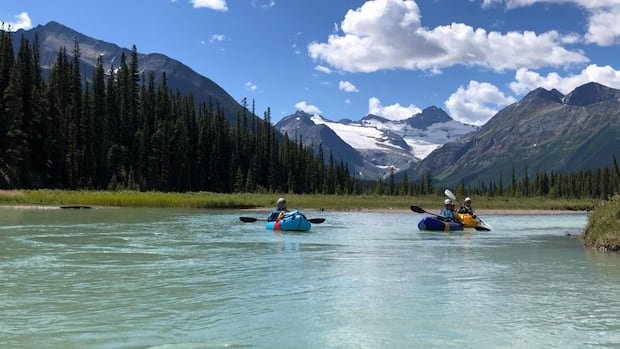
The emerging sport of packrafting is expected to be significantly impacted by the restrictions, affecting trips into remote wilderness areas. Matthew Bruce, president of Packraft Canada, emphasizes the emotional bond created with nature through recreation and advocates for user groups to engage in discussions with Parks Canada on future bans. Bruce is conducting a survey to gather insights from packrafters, aiming to contribute to future decision-making processes.
Compliance with the new restrictions is encouraged, alongside active engagement and sharing of experiences by paddlers. The importance of biosecurity and the role of recreational user groups in preserving natural environments are highlighted, promoting a collaborative effort to prevent the spread of AIS in national parks.