
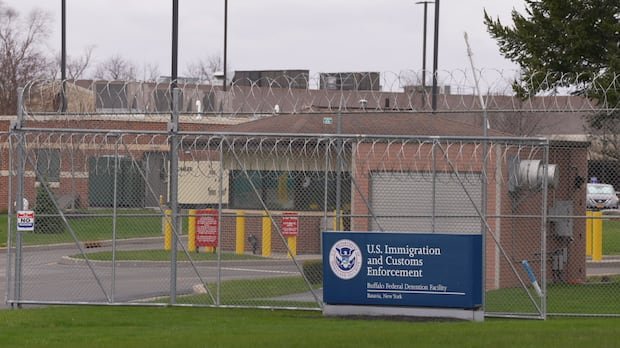

Last week, a second Native American-owned company terminated a multi-million dollar contract with United States Immigration and Customs Enforcement (ICE) following community pressure. A subsidiary of Oneida ESC Group, owned by the Oneida Nation of Wisconsin, canceled a $3.8 million contract with ICE for engineering and inspection of federal facilities. This action was taken after the Oneida government learned of the contract and denounced it, subsequently replacing the subsidiary’s board of managers.
Chairman Tahassi Hill of the Oneida Nation of Wisconsin emphasized the importance of nations having the autonomy to uphold their own values and principles. The Prairie Band Potawatomi Nation in Kansas also recently canceled a $29.9 million contract with ICE for planning and research, citing historical trauma and the need to align with their values.
Becky Webster, a former senior staff attorney for the Oneida Nation of Wisconsin, highlighted the independence of tribal corporations from nations, enabling them to engage in diverse economic activities and shield the nation from certain legal obligations. Matthew L. M. Fletcher, a law professor, explained that these contracts are part of affirmative action programs supporting minority-owned businesses.
While some affirmative action programs have been terminated, the 8(a) program, benefiting Indigenous-owned businesses, remains in place. Fletcher noted the attractiveness of such contracting for tribes despite political stances, emphasizing the legal advantages that tribes have in these arrangements.
Furthermore, pass-through entities, such as Akima under NANA Regional Corporation, hold substantial contracts with ICE. These entities, including Alaska Native corporations, operate as intermediaries for federal contracts, without performing the actual work. Transparency and accountability are vital aspects despite limitations on public disclosures.
Winona LaDuke, an environmentalist, expressed concerns about the impact of such contracts on Indigenous communities, likening it to a form of colonization. She urged Indigenous nations to scrutinize their business activities to avoid engaging in morally questionable contracts. The involvement of citizens in questioning these agreements highlights the importance of community oversight and accountability.
These recent developments shed light on the complexities and implications of Indigenous nations’ involvement in federal contracting processes.