
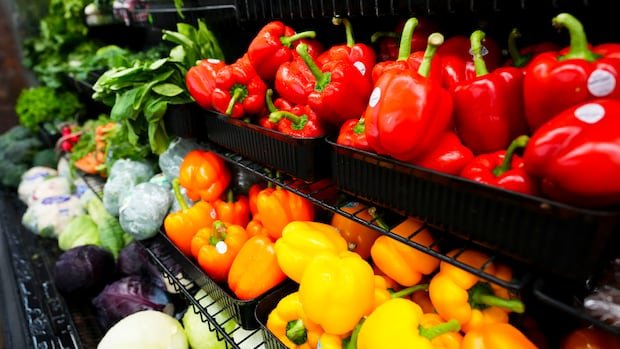

In Canada, there is a growing discussion around the feasibility of establishing public grocery stores as a solution to rising food costs. This concept has gained traction in cities like Toronto and New York City, where officials are exploring the idea of government-run grocery outlets.
New York City Mayor Zohran Mamdani proposed a model where the city would fund the construction, rent, and property taxes for these public stores. The goal is to offer lower prices to consumers by passing on the savings generated from these subsidies to shoppers through a private operator running the store. Similarly, Toronto city council has initiated a pilot program following a motion to introduce public grocery stores, with plans to present the proposal in the upcoming spring.
Advocates of public grocery stores argue that they can provide essential items at more affordable prices compared to private retailers. However, critics are skeptical, labeling the idea as inefficient and a misuse of public funds.
As food prices continue to soar in Canada, with a 5.7% increase reported in February compared to the previous year, concerns about affordability persist. The Canada Food Price Report predicts further price hikes of four to six percent this year, impacting the overall food budget for families.
Experts like food economist Michael von Massow caution that public grocery stores may not be a straightforward solution to combat inflation in food prices. Von Massow highlights the challenges governments face in managing an industry with slim profit margins and emphasizes the importance of subsidizing operational costs like labor and rent to ensure competitiveness.
Rial Carver, the program director at Kansas State University’s Rural Grocery Initiative, underscores the significance of selecting capable individuals to operate public grocery stores efficiently. She suggests that public-private partnerships or municipally owned operations are common models for managing such ventures, emphasizing the need for technical support to monitor performance and ensure sustainability.
Errol Schweizer, a former executive at Whole Foods, proposes looking at the U.S. military commissary model as a reference for public grocery stores. The commissary system, which offers subsidized prices for military personnel, could serve as a potential blueprint for Canada.
In response to the rising cost of living, the Canadian government has introduced affordability measures, including a groceries and essentials benefit that will enhance GST rebates for individuals and families. These initiatives aim to alleviate the financial burden on Canadians facing escalating food prices.
Overall, while the concept of public grocery stores has sparked debate as a means to address food affordability issues, experts stress the need for comprehensive strategies that consider the entire food supply chain to make a sustainable impact on consumer costs.