
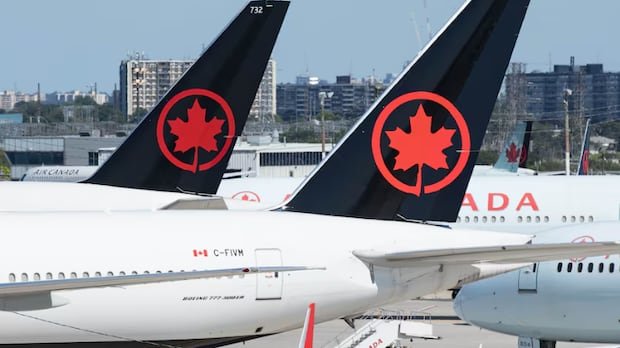

Air Canada is currently testing a new mechanism for handling passenger complaints. The airline will approach 500 randomly chosen passengers with unresolved claims in the Canadian Transport Agency’s dispute process, offering them the option to transfer their claims to a third-party arbitrator voluntarily. Air Canada’s chief legal officer, Marc Barbeau, emphasized that the aim of this pilot program is to address customer grievances swiftly, efficiently, and most importantly, fairly.
The Canadian Transport Agency is grappling with a backlog of approximately 95,000 complaints, a significant increase from 42,000 in 2023. The extended complaint process can stretch over a period of two to three years. Air Canada is financing the pilot project and collaborated with Transport Canada and the Canadian Transportation Agency in designing the program.
The arbitration process will be managed by a subsidiary of the UK-based CDRL Group, a non-profit organization offering dispute resolution services in the UK and Europe, where this model is more prevalent. Barbeau expressed optimism that adopting this approach could yield positive outcomes in Canada based on successful experiences in other regions.
During the test program, Air Canada commits to rendering a decision on each case within 90 days of receiving all relevant information. While the decision will be binding for the airline, consumers retain the right to reject the arbitrator’s ruling during the pilot phase and pursue the standard CTA process without losing their place in the queue, as confirmed by the CTA to CBC News via email.
Some passengers, like Andrew Giblon, feel that a more effective system is necessary. Giblon, who filed a claim against Air Canada two months ago, expressed concerns about the backlog of cases and doubts about the potential effectiveness of the pilot project, citing negative reviews of the arbitrator on Trustpilot.
Ian Jack from the Canadian Automobile Association emphasized the need for caution to prevent the introduction of a flawed system to replace the existing one. He emphasized the importance of ensuring fairness and transparency in the process, especially if airlines were to employ arbitrators permanently, to prevent potential biases.
Transparency in the complaints process is crucial, and Jack stressed the importance of making data on case outcomes publicly available to build trust in the system. The current system reportedly favors Air Canada in about 75% of cases, according to the airline.
Despite some skepticism, Karl Moore, an airline expert from McGill University, views the pilot program positively as a step by Air Canada to enhance the complaint resolution process for consumers. Moore highlighted the significance of the CTA’s awareness of the program, indicating potential for positive change.
Unlike the current regulatory process that restricts customers and airlines from publicly disclosing complaint outcomes, the pilot program will not require customers to sign non-disclosure agreements. This change could improve transparency, enabling dissatisfied consumers to voice their opinions openly.
Air Canada anticipates concluding the pilot project by summer. Following this, Barbeau mentioned plans to share the pilot’s outcomes with the government and engage in discussions regarding future steps.