
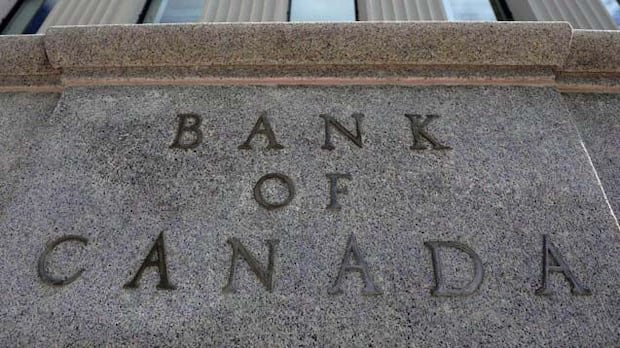

The Bank of Canada decided to maintain its key interest rate at 2.25 percent on Wednesday, citing expectations of heightened global inflation due to increased oil and gas prices resulting from the Middle East conflict. The bank acknowledged the uncertainty surrounding the conflict’s impact on the Canadian economy and anticipates modest economic growth amidst U.S. trade policy uncertainties, with near-term growth likely to be weaker than initially projected.
Bank of Canada governor Tiff Macklem expressed concerns about the added volatility caused by the war in Iran, emphasizing that inflation in Canada has been hovering close to the two percent target. The surge in oil prices, driven by the conflict, is expected to push up inflation in the short term, posing a dilemma for the bank. Macklem highlighted the challenges of balancing the need to address inflation without further weakening the economy or risking inflation surpassing the bank’s target.
Economist Avery Shenfeld from CIBC Capital Markets noted that the central bank did not indicate any debate regarding a rate cut or hike at this point. The bank’s decision reflects the view that the impact of the energy price shock depends on its duration, which remains uncertain.
The recent decision follows a weak labor force survey showing a loss of 84,000 jobs in February and moderating core inflation measures, excluding volatile gas prices and tax changes. The sharp increase in global energy prices due to disruptions in the Strait of Hormuz, a critical oil transport route south of Iran, is expected to drive up gas prices and inflation in the short term.
The Bank of Canada emphasized that it is too early to assess the full impact of the Middle East conflict on the Canadian economy, pledging to continue monitoring both the war and the effects of U.S. trade policies. Governor Macklem highlighted the multiple effects of high energy prices, emphasizing that the outcome will depend on the conflict’s duration and its implications for exports and domestic spending.
Both Macklem and senior deputy governor Carolyn Rogers warned of potential impacts on commodity prices, particularly on fertilizers, which also transit through the affected corridor. They noted the potential squeeze on households and businesses from higher energy costs and the knock-on effect on consumption. Additionally, the bank expressed concerns about the potential upward pressure on grocery prices due to higher energy costs and expensive fertilizer imports, affecting Canadian farmers and consumers.
The Bank of Canada is scheduled to announce its next interest rate decision and release its Monetary Policy Report on April 29.