

Russia launched a massive attack on Ukraine overnight using hundreds of drones and dozens of missiles, resulting in the deaths of at least four individuals in the capital city. This assault included the deployment of a new hypersonic missile, the Oreshnik, targeting western Ukraine as a clear message to Kyiv’s NATO allies.
The escalation of violence followed recent progress in discussions on how to protect Ukraine from further Russian aggression if a peace agreement is reached. European leaders and the EU’s top foreign policy official strongly condemned the attack, characterizing it as provocative and unacceptable. Russian President Vladimir Putin’s response to diplomatic efforts was described as more aggression with missiles.
The attack coincided with strained relations between Moscow and Washington, exacerbated by Russia’s criticism of the U.S. seizure of an oil tanker in the North Atlantic. President Donald Trump signaled support for imposing severe sanctions on Moscow. Ukrainian officials reported casualties in Kyiv, with four individuals killed and several others injured during the strikes on residential buildings.
The assault left about 6,000 apartment buildings in Kyiv without heating and disrupted water supplies. Municipal services worked to restore power and heat to essential facilities using portable units. The Qatari Embassy in Kyiv was also damaged in the attack, affecting ongoing mediation efforts for prisoner exchanges.
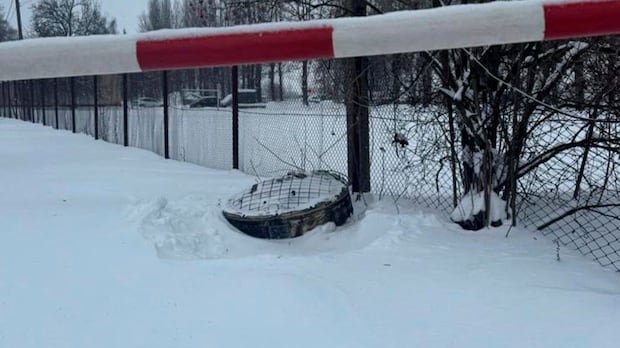
In Lviv, Ukraine’s Security Service found debris from the Oreshnik missile, which was launched from Russia and targeted civilian infrastructure. The missile strike was believed to be in response to an alleged Ukrainian drone attack on one of Putin’s residences. The Oreshnik missile is known for its devastating impact and has raised concerns about the security implications for Ukraine and its allies.
Ukraine’s Foreign Minister announced plans to seek international action in response to the missile attack, emphasizing the need for a united front against Russia’s aggression. The situation has prompted urgent calls for international intervention and discussions at the UN Security Council and Ukraine-NATO Council.
Leaders from various countries, including Canada, expressed strong condemnation of the attack, labeling it as a dangerous escalation. The Oreshnik launch was viewed as a direct threat to peace and stability in the region. The ongoing conflict underscores the urgent need for diplomatic solutions to prevent further violence and loss of life.
Residents in affected areas expressed resilience and determination for peace despite the ongoing hostilities, highlighting the devastating impact of the attacks on civilians and infrastructure. The global community is closely monitoring the situation, with calls for immediate de-escalation and a return to peaceful negotiations.