
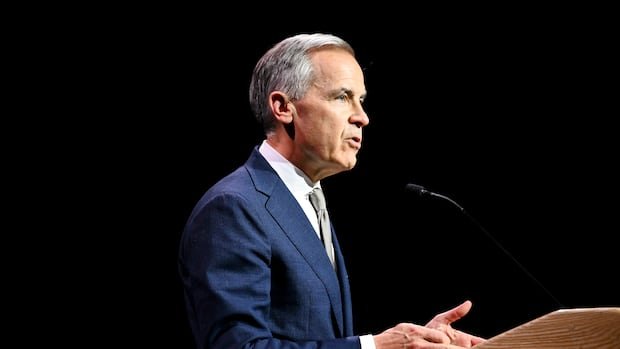

Prime Minister Mark Carney, following a successful outcome in three byelections in Ontario and Quebec, enabling him to secure a majority in the House of Commons, has declared a temporary suspension of the federal excise tax on gasoline and diesel. This decision will lead to a reduction of 10 cents per liter of gasoline and four cents per liter of diesel starting next Monday until Labour Day. Additionally, the excise tax on aviation fuel, amounting to four cents per liter, will also be waived during this period. The estimated cost of this fuel tax holiday is projected to be around $2.4 billion.
Addressing the current surge in fuel prices globally due to the conflict with Iran, Prime Minister Carney, speaking in Ottawa, emphasized the necessity of this measure to alleviate short-term financial pressures for Canadians. He described the fuel excise tax cut as a responsible temporary action aligned with efforts to strengthen the economy, enhance affordability, and ensure prudent fiscal management.
According to the government, this move is intended to decrease operational expenses for various sectors, including trucking, food, agriculture, housing, construction, and delivery industries. Gas prices in Canada have risen, with the national average exceeding $1.76 per liter, up from just over $1.26 before the onset of the conflict involving the U.S. and Israel against Iran.
A significant portion of the world’s oil passes through the Strait of Hormuz, which has been severely impacted by the ongoing conflict, leading to disruptions in oil flow and price fluctuations. Despite attempts to negotiate a resolution, the crisis persists, affecting global oil markets.
Prime Minister Carney expressed confidence in Canada’s economic resilience amid the current global uncertainties. He highlighted the importance of addressing affordability issues, promoting infrastructure projects, and boosting the housing sector to bolster the country’s economy and independence. The International Monetary Fund (IMF) forecast anticipates Canada to maintain solid economic growth, positioning it as one of the strongest economies in the G7 group.
Meanwhile, amid discussions in the House of Commons on a motion proposed by the Opposition to eliminate all federal fuel taxes until year-end, Conservative Leader Pierre Poilievre criticized the government’s decision, advocating for more substantial and prolonged tax cuts to assist Canadians grappling with soaring fuel costs. The Conservative proposal includes the suspension of the five percent goods and services tax on fuel for the remainder of the year and the permanent removal of the industrial carbon price and clean fuel regulations, which indirectly impact fuel prices.