

Canada’s annual inflation rate dropped to 1.8 percent in February, according to Statistics Canada’s latest report. The impact of last year’s “tax holiday” is evident in the year-over-year figures, while the recent Iran war has not yet influenced the data.
In February, the inflation rate decelerated compared to the same period a year ago. The conclusion of the GST break in the middle of the month led to price increases, a phenomenon known as a “base effect” among economists, as highlighted by the data agency.
Notably, food prices experienced a notable slowdown, primarily driven by a decrease in fresh and frozen beef prices. Despite this, StatsCan pointed out that grocery prices have surged by over 30 percent since February 2021.
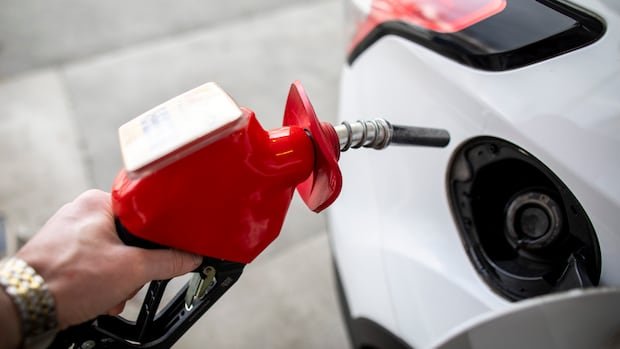
On the other hand, gas prices saw a smaller decline of 14.2 percent year-over-year, mainly attributed to elevated crude oil prices preceding the Middle East conflict and disruptions in oil-producing nations.
Looking ahead, the full impact of the war is expected to be seen in the next month’s inflation report, with gas prices anticipated to surge by up to 15 percent, according to economist Douglas Porter from the Bank of Montreal. This surge could push headline inflation towards 3 percent in the upcoming months.
While the GST break affected the headline inflation figure and the impending war casts a shadow over the next report, the Bank of Canada’s core inflation indicators, which exclude volatile elements such as gas prices and tax adjustments, moderated in the previous month.
The CPI-common declined from 2.7 percent to 2.4 percent, CPI-median dropped from 2.5 percent to 2.3 percent, and CPI-trim decreased from 2.4 percent to 2.3 percent, approaching the central bank’s two percent inflation target.
Porter noted, “With most core inflation measures nearing the Bank’s 2 percent target, policymakers may be able to overlook the forthcoming oil-driven inflation spike in the headline figures over the next few months,” particularly given weakening employment conditions even prior to the conflict and uncertainties surrounding the USMCA trade deal.