
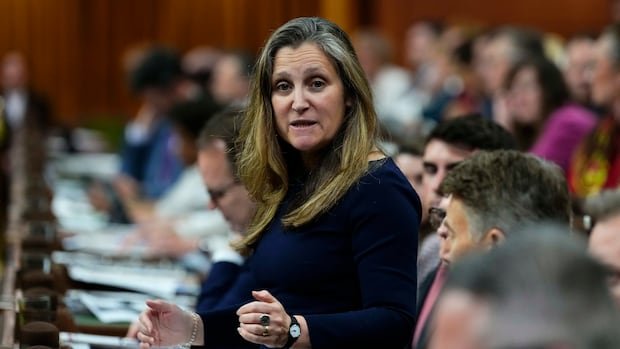

Former cabinet minister Chrystia Freeland has officially resigned from her seat in the House of Commons, impacting the Liberal government’s majority quest. Her departure follows a shifting landscape in Parliament since December, with the Liberals gaining ground but then losing a seat due to Freeland’s exit.
The vacant seat in Freeland’s riding, known as a secure Liberal stronghold, will likely remain empty when MPs reconvene later this month. The process for calling a byelection will be initiated by the Speaker of the House, giving the government a timeframe of 11 to 180 days to hold the election.
The upcoming byelection campaign, which must last at least 36 days, may see voting take place as early as March 2, according to Elections Canada. The government’s recent close call on a confidence vote underscores the significance of each parliamentary vote in the current political climate.
Meanwhile, Freeland’s decision to advise Ukrainian President Volodymyr Zelenskyy hints at her exit from Canadian politics. Prime Minister Mark Carney has suggested that more byelections are on the horizon, potentially involving former ministers like Jonathan Wilkinson and Bill Blair.
Wilkinson and Blair may also vacate their seats for diplomatic roles, triggering byelections in their respective ridings. Amidst speculations of more MPs potentially defecting to the Liberals, the political landscape remains dynamic, with both opposition and government sides evaluating their positions carefully.