
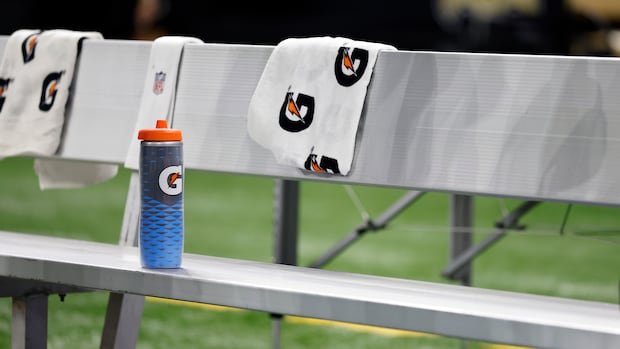

Six decades after pioneering sports beverages, Gatorade is shifting its focus away from solely targeting athletes. PepsiCo, the company behind Gatorade, announced plans to expand the brand’s appeal to non-athletes seeking hydration solutions for various activities like travel, leisure walks, or recovery from a hangover. The new packaging emphasizes the unique functions of Gatorade’s drinks and powders, backed by scientific research.
This strategic shift aligns with the growing trend among U.S. consumers towards beverages offering perceived health benefits. According to Jack Doggett, a food and drink analyst at Mintel, 60% of sports drink consumers are non-athletes drawn to the functional properties such as electrolytes for hydration and carbohydrates for energy.
The surge in sales of sports drink mixes, including powders like those from Liquid I.V., Skratch Labs, and Gatorade, has seen a nearly 20% increase in the year ending March 22, as reported by Circana. In contrast, bottled water sales remained stagnant during the same period.
Recognizing the market potential, new sports and hydration brands are flooding the shelves. PepsiCo’s President of U.S. beverages, Mike Del Pozzo, noted the entry of 150 new brands in recent years, posing challenges and intensifying competition within the category. To differentiate itself, Gatorade will introduce products explicitly claiming superior hydration benefits compared to water. For instance, the upcoming Gatorade Longer Lasting drink combines glycerin and electrolytes to enhance prolonged hydration effectiveness.
This strategic pivot by Gatorade mirrors similar moves made by competitors. Powerade, owned by Coca-Cola Co., revamped its packaging in 2023 to highlight increased electrolytes. Last year, Powerade launched Power Water, a zero-sugar, electrolyte-enriched beverage targeting non-athletes.
Gatorade’s journey began in 1965 when Dr. Robert Cade, a physician at the University of Florida, developed the drink to replenish electrolytes lost by football players during games. Since then, Gatorade has evolved under different ownerships, with PepsiCo emphasizing meeting both athletes’ and non-athletes’ needs. The company’s introduction of lower-sugar variants and the removal of artificial colors have attracted a broader customer base.
In an era where consumers have a plethora of beverage choices, brands must clearly articulate their product offerings and value propositions. Sean Harapko, a beverage industry expert at Ernst & Young Americas, highlighted the importance of brands defining their uniqueness to cater to consumers’ health-conscious preferences.
While Gatorade continues to cater to athletes with products like Gatorade Thirst Quencher, the brand’s innovation towards lower-sugar options and enhanced hydration solutions is resonating with non-athletic consumers. The shift towards broader consumer appeal underscores the evolving landscape of the beverage industry, where functionality and health benefits play a pivotal role in driving consumer choices.