
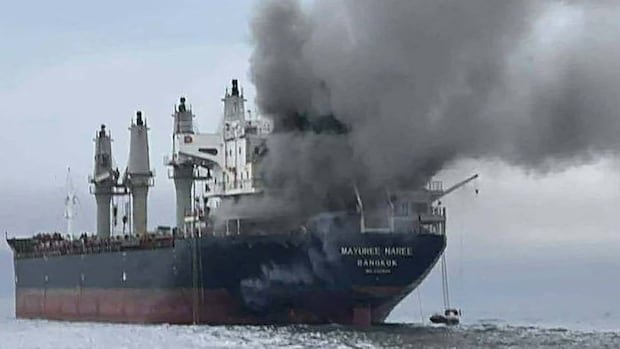

Energy and trade experts are cautioning about the escalating impact on global supply chains as the U.S.-Israeli conflict with Iran persists, causing the continued blockage of the Strait of Hormuz.
The current focus is predominantly on the oil markets. Throughout the 12-day duration of the conflict, approximately 250 million barrels of oil have been prevented from leaving the Persian Gulf, resulting in increased fuel prices worldwide. However, the implications go beyond just oil.
According to Jim Krane, the Wallace S. Wilson Fellow for Energy Studies at Rice University, critical metals like copper, nickel, and cobalt sourced from the Gulf are at risk of supply disruptions. Nearly half of the world’s urea supply, a vital fertilizer, also originates from the region.
The closure of the strait has led to a ripple effect across the global economy, with significant consequences on various sectors. One notable aluminum producer in Bahrain has invoked force majeure and halted deliveries, while Qatar, a major liquefied natural gas exporter, has suspended production and delivery operations.
Even if the Strait of Hormuz were to reopen promptly, resolving the existing issues would take several months. The disruption has affected not only oil but also gas, fertilizer, metals, and petrochemicals, creating a complex web of challenges in global supply chains.
In South Korea, concerns have been raised by chip makers that semiconductor production could face disruptions due to potential material shortages from the Middle East, such as helium.
Shortages have already started to emerge in countries like Pakistan and Bangladesh, leading to power outages. The ongoing disruptions are expected to escalate prices in wealthier nations and result in severe shortages in poorer countries if the strait remains closed for an extended period.
Efforts to release oil reserves globally may provide some relief, but the ultimate solution lies in the resumption of normal traffic flow through the strait to prevent a breakdown of the global economy.
As the uncertainty surrounding the conflict persists, the risk of further escalation and deepening supply chain challenges continues to loom, underscoring the urgency for a resolution to prevent further economic turmoil.