

Saskatchewan women aged 43 and above are now able to register for mammogram screenings without a doctor’s referral, as part of a gradual plan to lower the eligibility age to 40 by June. Following the announcement by the province in early January, social media was flooded with articles and posts about the reduced age requirement. However, many comments contained inaccurate information about the safety of mammograms, surprising advocates and physicians who have long advocated for the age drop to 40.
Jennie Dale, the founder and president of Dense Breasts Canada, expressed dismay at the extensive misinformation shared on social media platforms. She highlighted a Facebook post with over 400 comments, the majority of which spread misconceptions about mammograms. Claims included exaggerated radiation exposure, increased pain during mammograms, and concerns about high rates of “false positive” results causing anxiety and stress among women.
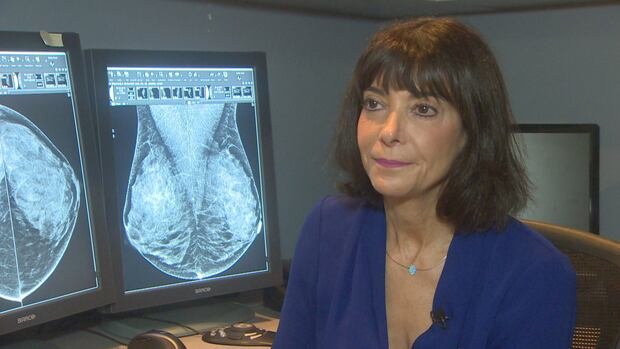
Dr. Paula Gordon, a clinical professor and breast radiologist at the University of British Columbia, emphasized the importance of dispelling these false claims to reassure women about the safety of mammograms. She clarified that the radiation exposure from mammograms is minimal, comparable to everyday environmental radiation levels. Gordon explained that the benefits of early detection far outweigh any potential risks associated with mammograms.
Lisa Vick, a breast cancer survivor and advocate, shared her initial hesitation about undergoing a mammogram due to concerns about radiation exposure. However, she acknowledged that early screening could have provided crucial information about her breast health. Vick emphasized the significance of educating women about the benefits of mammograms, especially for those with dense breast tissue that may require additional testing like ultrasounds.
Despite efforts to address misinformation, Dale highlighted low uptake rates of mammogram screenings among women under 50 in various parts of Canada. She underscored the importance of clarifying misconceptions to alleviate fears and encourage women to prioritize their health through regular screenings. Additionally, concerns were raised about inconsistent wait times for mammogram appointments, prompting calls for increased transparency and improved communication from health authorities.
In response to misleading claims about “false positive” results, Gordon clarified the term as “false alarms” and explained the importance of follow-up tests for accurate diagnoses. She emphasized the life-saving potential of early detection through screening mammograms and debunked the notion of over-diagnoses, highlighting the critical role of timely intervention in cancer treatment.
Advocates, including Dense Breasts Canada and leading specialists, called for a more targeted approach to combat misinformation surrounding mammogram safety. Suggestions included incorporating myth-busting campaigns in communications to women and healthcare providers, emphasizing the importance of early detection and dispelling common misconceptions. The aim is to empower women with accurate information and encourage proactive engagement with breast health screenings.