
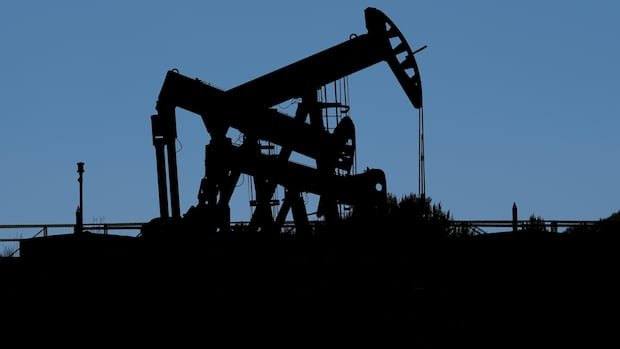

U.S. crude oil prices surged above $90 per barrel on Friday, marking the highest point in over two years. West Texas Intermediate (WTI) crude, the primary oil price indicator in North America, closed the day slightly above $91, a significant increase from the previous week’s levels around $67. This surge comes as the U.S. and Israel initiated a new military campaign against Iran and its affiliated groups.
The escalating conflict in Iran, coupled with the threat of potential drone or missile attacks from Iran, has led to the near-complete cessation of tanker traffic through the vital Strait of Hormuz. This strategic passage, responsible for one-fifth of the global oil supply chain, serves as the main maritime route out of the Persian Gulf and facilitates the transportation of oil and gas from countries like Saudi Arabia, Kuwait, Iraq, Qatar, Bahrain, the United Arab Emirates, and Iran.
U.S. Energy Secretary Chris Wright, speaking on Fox News, anticipates that the current price surge will likely endure for “weeks, not months.” He emphasized that Iran has historically been a key factor in driving energy prices higher for nearly five decades and that the ongoing disruptions aim to curb Iran’s destabilizing actions and protect American interests and regional stability.
In the United States, gas prices have climbed by an average of 34 cents per gallon over the past week, reaching $3.32 or approximately 120 cents per liter. Following the recent airstrikes in the Middle East, Canadian gas prices spiked to 135.3 cents per liter, as reported by Gasbuddy.com. This represents an increase from the average price of 128.8 cents per liter just a month ago. Gas Wizard, a prominent gas price tracking website, projects that the price per liter could soar to nearly 153 cents by Saturday.