
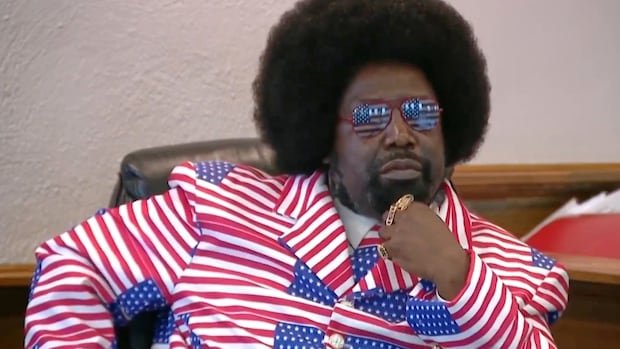

Afroman, the Grammy-nominated rapper, emerged victorious in a defamation lawsuit brought against him by seven Ohio sheriff’s deputies. The lawsuit stemmed from music videos in which Afroman utilized home security footage to satirize the deputies’ raid on his residence.
Following the court’s decision, the 51-year-old rapper, also known as Joseph Foreman, jubilantly exclaimed, “We did it, America! Yeah, we did it! Freedom of speech! Right on! Right on!” He later shared the celebratory moment on social media.
The lawsuit raised questions about the boundaries of parody and the extent to which artists can engage in social commentary targeting public figures. The deputies collectively sought nearly $4 million in damages.
During the trial, Afroman’s defense attorney, David Osborne, argued that it is reasonable to expect law enforcement officers to face criticism and that the deputies had been subject to name-calling in the past. Afroman, recognized for his popular 2000 track “Because I Got High,” released music videos that garnered over three million views on YouTube, depicting the deputies wielding rifles, searching his belongings, and eyeing a cake on his kitchen table.
In his testimony, Afroman accused the deputies of being “crooked cops” due to missing money following the raid, stating that police officers should not pilfer civilians’ funds. He defended his creative work on First Amendment grounds, citing damages incurred during the raid, including a broken gate and front door.
Despite the deputies’ claims of public harassment resulting from the viral videos, no charges were filed in connection with the 2022 raid, which was part of a drug and kidnapping investigation. Afroman emphasized the emotional toll the incident took on his children and asserted that the entire ordeal was a consequence of the deputies’ actions.
In one of his songs, Afroman directly addresses the police, questioning their motives and highlighting the discrepancies in their search. The deputies, in their testimonies, expressed feeling ridiculed and emotionally harmed by Afroman’s music videos.
Afroman’s legal counsel argued that artistic exaggeration in social commentary is not uncommon, while the deputies’ representative contended that Afroman had intentionally lied about the deputies to inflict harm. The case underscored the complexities of free speech, artistic expression, and the responsibilities of public figures in the realm of social commentary.